

How to Identify a Genuinely BIS Certified Cable Supplier in India
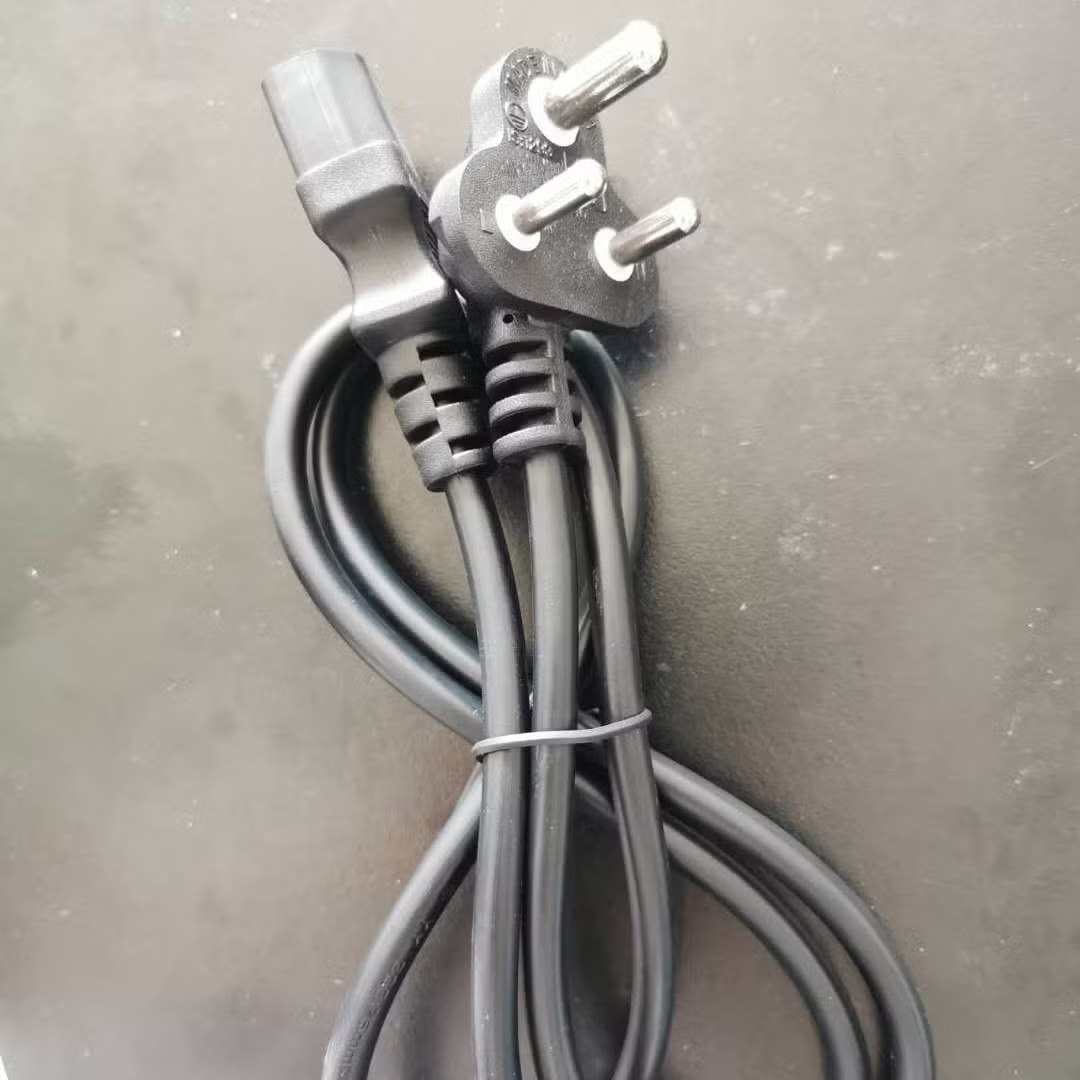
Walk into any major electrical wholesale hub—whether it is Bhagirath Palace in Delhi or Lohar Chawl in Mumbai—and you will see the ISI mark stamped on practically every wire coil. The logo is everywhere. But here is the deeply uncomfortable truth: a staggering percentage of those marks are outright counterfeits. Procurement teams often assume a printed logo guarantees regulatory compliance, without actually understanding how BIS certified cables are made in India. They trust the ink, not the engineering.
That blind trust is a massive operational risk.
Counterfeiting in the electrical sector is a highly sophisticated shadow industry. According to reports from FICCI’s CASCADE initiative, the grey market for fake electrical components siphons thousands of crores from the formal economy annually. But the financial loss is secondary to the physical danger. When you buy a counterfeit cable, you are essentially installing a slow-burning fuse inside your machinery.
We recently audited a solar inverter assembly plant that kept experiencing random, catastrophic short circuits on their final QA test benches. Their procurement head was baffled, swearing their internal wiring was fully compliant under strict IS 694 standard guidelines. We took one of those “certified” wires, stripped back the PVC jacket, and ran a basic conductor resistance test.
It failed instantly.
The supplier had used Copper Clad Aluminum (CCA)—a cheap, highly resistive metal substitute—and simply printed a fake ISI logo on the outside.
A complete liability. If that inverter had made it into a consumer’s home and started a fire, the legal exposure would land entirely on the OEM. The phantom cable supplier would just disappear.
The Bureau of Indian Standards does not just license a brand name; they license a specific manufacturing facility to produce a specific grade of material. If you really want to know what makes a power cord manufacturer trustworthy, you have to look past the glossy sales brochure. Demand their active CM/L (license) number. And do not just file the paperwork away. Open the official BIS Care mobile app while the vendor is still sitting in your office, type in that seven-digit number, and verify it on the spot.
If the app shows the license is expired, suspended, or registered to a completely different factory address, walk away immediately.
A genuine supplier will also have the in-house testing infrastructure to constantly validate their own compliance. Ask to see their thermal stability logs. Check their raw copper purity analysis. True certification dictates strict physical parameters for tensile strength and flame retardation. If a supplier cannot show you real-time data from their own factory floor, they cannot guarantee the batch-to-batch consistency that heavy industrial manufacturing demands.
At Nisan Cords, full transparency is just how we operate. We welcome audits and openly share our lab reports because we know exactly what goes into our extrusion machines.
The next time a vendor offers you a drastically reduced rate on “certified” cables, remember that pure electrolytic copper has a fixed, non-negotiable global commodity price. If the math looks too good to be true, the certification is almost certainly a lie.