
Overhead Crane Troubleshooting: 5 Common Issues and How to Identify Them
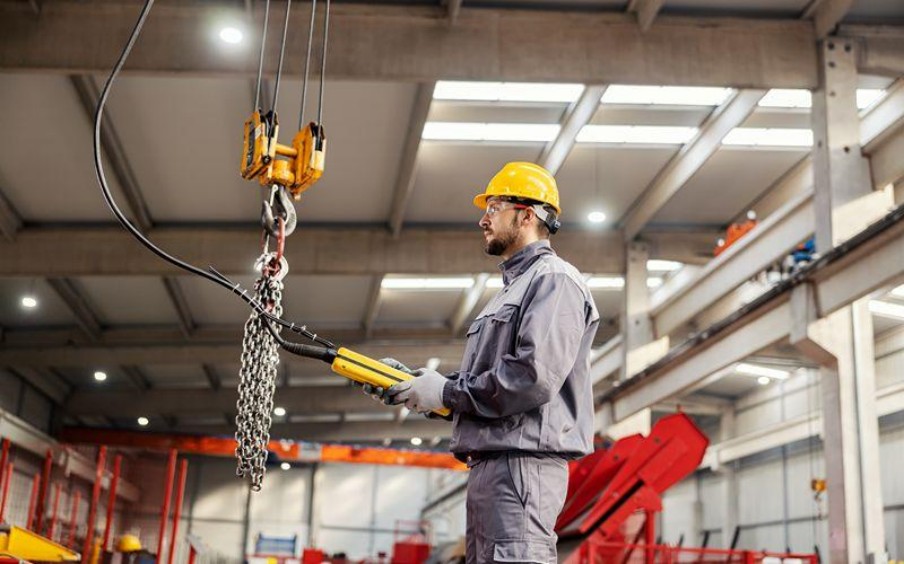
Overhead cranes play a critical role in warehouses, factories, and industrial facilities across Singapore. When faults occur, they disrupt operations, increase safety risks, and lead to costly downtime. Effective overhead crane troubleshooting can help operators identify issues early and take corrective action before problems escalate. Knowing common crane issues, warning signs, and when to involve a qualified crane supplier for support can help industries make informed decisions.
1. Electrical and Control System Faults
Electrical issues remain one of the most frequent causes of crane malfunction. Operators may notice unresponsive controls, intermittent power loss, or delayed crane movements. These problems often stem from worn wiring, loose connections, or faulty control panels. Environmental factors such as heat, dust, and moisture can also affect electrical components over time, especially in heavy-use facilities.
During overhead crane troubleshooting, operators should first check visible wiring, pendant controls, and emergency stop functions. Inconsistent responses indicate deeper electrical faults that require professional inspection. A reliable crane supplier in Singapore can carry out diagnostic testing to identify damaged components and restore stable crane operation without compromising safety.
2. Hoist and Lifting Mechanism Problems
The hoisting system handles the crane’s primary load-bearing function, making it a common source of operational issues. Warning signs include uneven lifting, abnormal noises, or load slippage during operation. These symptoms may point to worn wire ropes, damaged drums, or misaligned hoist components. Ignoring these signs increases the risk of load instability and mechanical failure.
Operators should inspect wire ropes regularly for fraying, corrosion, or deformation. Lubrication also plays a key role in maintaining smooth hoist movement. If lifting performance continues to decline despite routine checks, engaging a crane supplier ensures proper inspection and component replacement that aligns with local safety requirements.
3. Structural and Alignment Issues
Structural issues can impact crane stability and movement accuracy. Common indicators include uneven trolley travel, excessive vibration, or visible rail misalignment. These issues may result from long-term wear, improper installation, or changes in load patterns over time. Left unaddressed, structural faults can accelerate wear across multiple crane components.
Routine inspections should include checking rails, end trucks, and support beams for signs of deformation or loosened fasteners. Operators should also observe crane travel behaviour during normal use. When alignment issues persist, a crane supplier in Singapore can conduct detailed assessments and realignment work to restore safe and efficient operation.
4. Brake System Wear and Performance Issues
Brake systems control load movement and ensure safe stopping during crane operation. When brakes begin to wear, operators may notice delayed stopping, slipping loads, or unusual heat generation. These issues often develop gradually, making them easy to overlook during daily operations. However, compromised braking performance presents serious safety concerns in busy industrial environments.
Effective overhead crane troubleshooting includes monitoring brake response times and listening for grinding or squealing sounds. Regular adjustment and timely replacement of brake linings help maintain reliable performance. Experienced service teams, such as those from Shin Guan, understand how to assess brake wear accurately and carry out corrective work that meets operational demands.
5. Maintenance Gaps and Operational Misuse
Many crane issues originate from inconsistent maintenance or improper operation. Skipped inspections, delayed servicing, and overloading place unnecessary stress on crane systems. Operators may also misuse controls or exceed recommended duty cycles, which accelerates component wear. These factors make overhead crane troubleshooting more frequent and complex over time.
Establishing a structured maintenance schedule reduces unexpected faults and improves equipment lifespan. Training operators on correct usage also plays a vital role in preventing avoidable damage. Working with an experienced crane supplier in Singapore can help companies implement maintenance programmes that match operational intensity and regulatory standards.
Conclusion
Overhead crane troubleshooting requires a systematic approach that focuses on early detection and proper response. By understanding common electrical, mechanical, and structural issues, operators can identify problems before they affect safety and productivity. Partnering with a trusted crane supplier ensures professional support, accurate diagnosis, and long-term operational reliability.
Ensure safe and reliable crane operations. Contact Shin Guan for professional inspection, maintenance, and troubleshooting support.