

Forklift Jib Weight Capacity: How to Read Load Charts & Stay Compliant
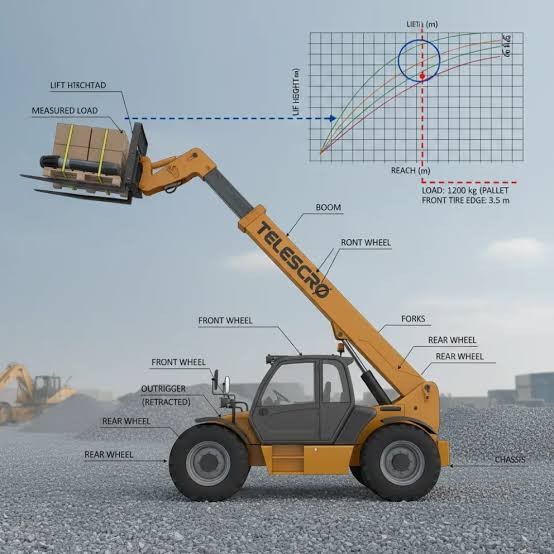
Forklifts are probably one of the most versatile machines used on warehouse and construction sites, as well as in many industrial facilities. With special attachments, their capabilities can be further extended. Perhaps the most common jib attachment that is being used in a variety of settings would be the jib, which gives forklifts the ability to safely lift and move suspended loads.
That said, operating a jib requires a thorough understanding of load charts and weight capacity to do so safely. Disregarding these rules can make life-threatening or legal breaches.
What is a Forklift Jib?
A forklift jib is an attachment that changes the speed of a lifter to able to lift loads with chains, slings, and hooks. Standard attachments typically used for moving equipment, steel, pipe, and building materials.
Forklift jib attachments are so commonly used by businesses just because it allows more flexibility especially when a business cannot afford to have a crane for every lifting task.
Why Weight Capacity Matters?
Forklifts have a maximum lifting capacity. Adding a jib decreases the load centre and will also decrease the safety lifting capacity of the fork lift truck.
Not noticing these changes can lead to:
- Forklift instability.
- Tipping hazards.
- Damage to equipment.
- Injuries in the workplace.
- Non-compliance of law.
Before working with any jib attachment, it is important to understand the approved load limits.
How to Read a Load Chart?
A load chart is a tool to help ensure that you lift all of your loads safely and correctly according to how much weight the forklift can handle and under what conditions.
Check the Maximum Load Rating
The chart displays the maximum load a forklift can safely handle with an attachment in place. Never exceed this limit.
Understand the Load Centre
The load centre describes the distance from the centre of gravity to the fork carriage. Higher lifting capacity usually comes at shorter distances than this. As this distance becomes greater, that lifting capacity typically decreases.
Review Attachment-Specific Information
Forklift jib attachments are not all alike. Each model has different capacities based on its expectation length and design.
Always double-check with the manufacturer’s specifications.
Factors That Affect Lifting Capacity
There are multiple factors that can cause safe lifting limits to be affected.
Jib Extension Length
Several jib models have multiple locations for lifting. The further the hook is from the forklift, typically the less weight it can lift.
Load Weight Distribution
Uneven or unstable loads also pose further risk and increase the burden on the forklift.
Ground Conditions
The most difficult part of working on uneven grounds is that Forklift stability will greatly reduce and chances of accidents will increase.
Equipment Condition
Periodic inspection can identify wear, damage or failure of a lift that could affect its performance.
Meeting Mandatory Requirements for Workplace Safety
Being safe is not just about staying within the limits of a load.
Businesses should ensure the following:
- Operators receive appropriate training.
- Attachments are fitted in the right way.
- Equipment get regularly inspected.
- Load charts always remain accessible.
- Always followed manufacturer-provided guidelines.
The use of a jib without the knowledge of its operational limits may be unsafe for workers or businesses.
Common Mistakes to Avoid
This is one of the most common mistakes that you can do:
- Exceeding rated capacities.
- Ignoring attachment-specific load charts.
- Using damaged lifting equipment.
- Failing securing the loads properly.
- Operating even by not having adequate training.
These mistakes can make the working environment much safer if they are avoided.
Final Thoughts
This enables workers to quickly and safely lift suspended loads within various industries. But the fact that you know how to operate it is one thing, but knowing what its weight capacity is as well as its odometer load charts and compliance requirements are also paramount.
By selecting the right forklift jib attachments, reference in load charts and complying with each manufacturer on its jibs, businesses can improve safety, maintain compliance and maximise their material handling operations.