

How to Identify the Best Chassis Tracking Tools for Intermodal Logistics
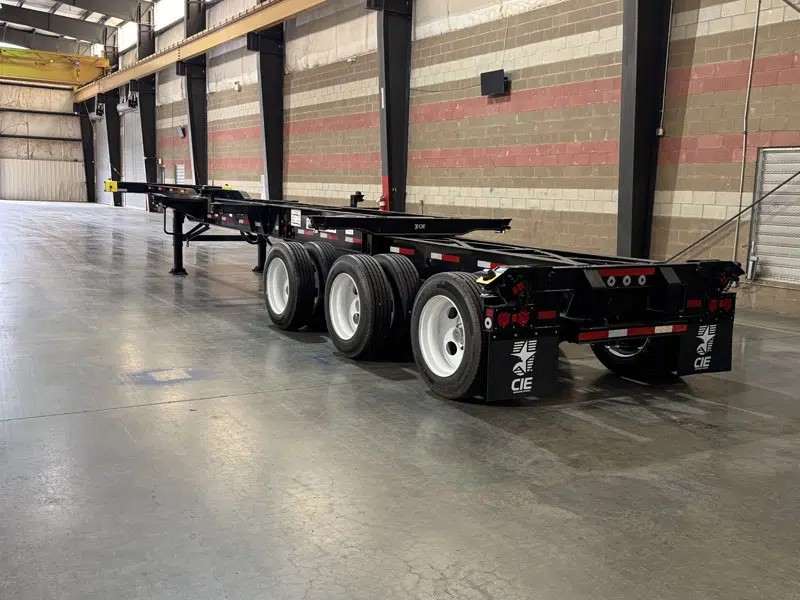
Efficient intermodal logistics depends on clear equipment visibility. Containers move across ports, rail yards, and highways within tight schedules. Equipment that supports those movements must remain visible at every stage. Chassis tracking tools give logistics teams accurate information about location, usage, and availability.
However, not every tracking platform delivers the same level of performance. Selecting the right solution requires careful evaluation of several practical features.
Real-Time Location Accuracy
Precise location data forms the foundation of any tracking system. Dispatchers rely on accurate updates to coordinate container pickups, returns, and repositioning. Delayed or inaccurate information often leads to missed appointments and idle equipment.
High-quality tracking systems depend on GPS or cellular networks that update location frequently. Frequent updates help teams detect delays quickly. Managers gain the ability to reroute equipment before congestion spreads through the network.
Reliable location tracking becomes even more important for fleets handling terminal chassis. Ports and rail terminals operate under strict time windows. Clear location visibility helps yard managers coordinate equipment movement and maintain steady container flow.
Integration With Existing Logistics Systems
Tracking software should connect smoothly with existing transportation systems. Many logistics companies already operate transportation management platforms, dispatch tools, or yard management systems. Integration allows tracking data to appear within those systems without extra steps.
Centralized data improves coordination between dispatchers, drivers, and yard teams. Staff members can view equipment movement alongside shipment schedules. Operations remain organized and easier to monitor.
Equipment Utilization Insights
Tracking tools provide more than location data. Advanced platforms analyze equipment usage patterns and dwell time. These insights help logistics teams understand how often chassis move, where delays occur, and where capacity shortages appear.
Usage analytics support better planning across busy corridors that handle intermodal shipping containers. Managers can identify idle equipment and reposition it to areas with higher demand. Equipment rotation improves over time, which supports smoother container transfers.
Hardware Reliability and Vendor Support
Tracking devices must operate in demanding environments. Chassis travel through ports, highways, and distribution hubs. Durable hardware withstands vibration, weather exposure, and long working hours.
Reliable vendors also provide technical support, onboarding assistance, and software updates. These services help logistics teams expand tracking coverage as operations grow.