

Best Virgin Hair Companies: What Separates a Real Hair Brand From a Hair Vendor
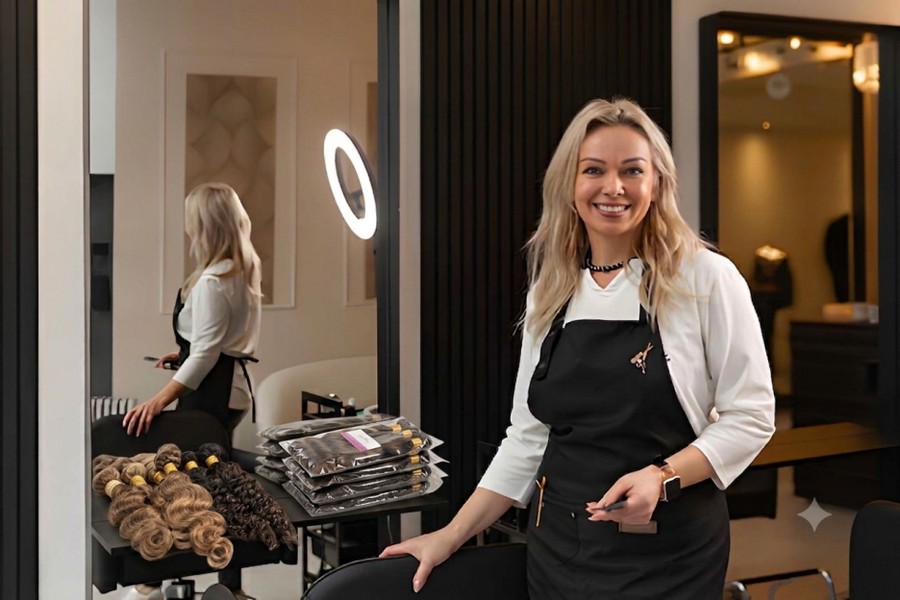
In the virgin hair market, it is easy for every seller to look the same from the outside. Many businesses can post beautiful photos, advertise bundles, and promise premium quality. However, behind the scenes, there is a major difference between a real hair brand and a basic hair vendor. A vendor may simply buy hair, list it online, and wait for orders. A brand builds systems, standards, customer trust, product education, and a long-term reputation. For beauty entrepreneurs, salon professionals, and serious buyers, understanding this difference is important because the hair business is not only about selling extensions. It is about consistency, accountability, and the ability to serve customers again and again with confidence.
Why a Real Hair Brand Is Built Differently
In the textured and natural hair space, customers are often looking for hair that blends beautifully, lasts well, and supports their styling goals without constant disappointment. That is why serious buyers often study Best Virgin Hair Companies from a business point of view, not just a beauty point of view. A strong company is not only judged by how attractive the hair looks in a photo. It is judged by how well the business can deliver the same standard over time.
A real brand has structure. It understands its product categories, knows the difference between curl patterns and textures, and can explain who each product is best suited for. A simple vendor may depend only on trending photos, quick sales, and broad claims. A brand, on the other hand, builds recognition by helping customers make better buying decisions.
Product Consistency Is a Business Advantage
One of the strongest signs of a reliable hair company is product consistency. Customers want to know that the bundle they loved last year will feel familiar when they order again. This does not mean every bundle must be identical, especially when dealing with real human hair, but the brand should have clear quality standards and a dependable sourcing process.
For textured and natural hair clients, consistency becomes even more important because blending is personal. A customer choosing Virgin Curly Hair Extensions is often looking for a curl pattern, density, and finish that works with her lifestyle or salon plan. If the curl is too loose, too processed, too shiny, or too inconsistent, the customer loses trust quickly.
This is where real brands separate themselves from vendors. They do not treat every texture as just “curly,” “straight,” or “wavy.” They understand the details that matter to customers, such as luster, shrinkage, movement, softness, fullness, and how the hair behaves after washing.
Quality Control Creates Customer Confidence
A basic vendor may only inspect hair when there is a complaint. A serious hair brand builds quality checks into the business before the product reaches the customer. That may include reviewing texture accuracy, bundle fullness, weft construction, shedding level, odor, color condition, and how the hair responds to co-washing or styling.
Strong quality control protects both the customer and the business. It reduces unnecessary returns, improves reviews, and helps the brand maintain a professional reputation. In the hair industry, one poor experience can quickly become a public complaint, especially when customers feel ignored or misled.
- Clear texture descriptions help customers choose correctly.
- Accurate product photos reduce unrealistic expectations.
- Reliable sourcing supports long-term product consistency.
- Responsive service helps protect the brand’s reputation.
For business owners, this is a lesson worth remembering. A beautiful product can bring a first sale, but quality control is what supports repeat sales. Customers return when they feel the company has standards and not just inventory.
Customer Education Turns a Seller Into a Brand
A real hair company does not leave customers confused after they purchase. It educates them before, during, and after the sale. This may include texture guides, care instructions, comparison pages, blog content, styling tips, product FAQs, and honest explanations about what the hair can and cannot do.
This kind of education is especially valuable for salon professionals and beauty entrepreneurs. When a company explains the difference between raw hair, virgin hair, Remy hair, single drawn hair, double drawn hair, closures, clip-ins, wigs, and bundles, it becomes more than a store. It becomes a trusted resource.
Vendors often focus only on closing the transaction. Brands focus on reducing confusion, preventing mistakes, and building customer loyalty. When buyers feel guided instead of pressured, they are more likely to trust the company again in the future.
Reputation, Service, and Retention Matter Long Term
Reputation management is another major difference between a brand and a vendor. A vendor may disappear when problems happen, but a real company understands that customer service is part of the product experience. How a business handles delays, returns, complaints, questions, and product concerns often determines whether customers come back.
Long-term retention is not built by discounts alone. It is built through trust, professionalism, and consistency. Customers remember when a company communicates clearly, respects their concerns, and provides honest guidance. They also remember when a company avoids responsibility or gives vague answers.
For hair business owners, this means the back end of the business matters as much as the front end. Order systems, shipping updates, refund policies, email support, review monitoring, and product documentation all influence whether the company feels professional or unorganized.
Final Business Thoughts
The difference between a real virgin hair brand and a simple vendor comes down to structure, trust, and accountability. A vendor can sell hair, but a brand builds a complete customer experience around the product. That includes sourcing standards, texture knowledge, product education, quality control, clear policies, and strong customer support.
For beauty entrepreneurs and serious buyers, the lesson is simple: do not judge a hair company only by pretty images or low prices. Look at how the business operates, how clearly it explains its products, how it handles customer care, and whether it is building long-term trust. In a competitive hair market, the companies that last are not always the loudest. They are the ones customers can depend on again and again.