

5 Things to Know About Solar Panels and Installation Planning
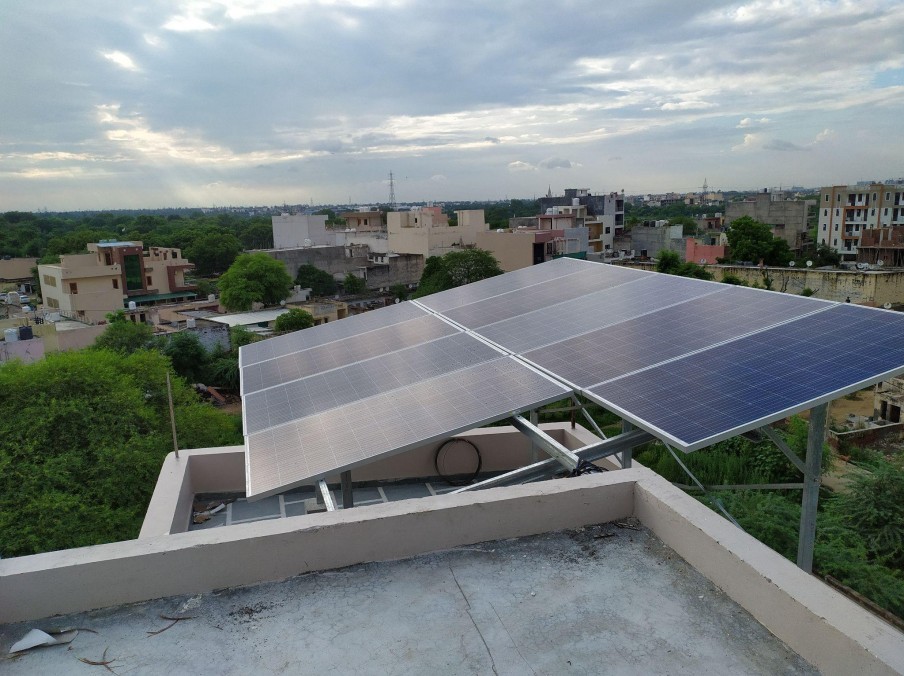
Energy upgrades feel practical when rising bills push long-term thinking. Many property holders pause before committing, curious about trade-offs, paperwork, and real savings. Solar panels and installation decisions sit at the centre of this shift, shaping budgets and expectations from day one. A deliberate approach to preparing details reduces surprises and establishes a solid foundation for progress.
1. Site Readiness, Not Sales Talk
Before discussions drift into prices, the roof and electrical setup deserve attention. Orientation, shade patterns, and structural load influence results far more than brochure claims. Solar panels and installation plans succeed when the site supports consistent exposure and safe wiring routes. A preliminary inspection highlights limits early, which avoids revisions later.
Grid connection rules and local approvals matter as well. Paperwork timelines vary, so patience helps. Solar panels and installation schedules stay realistic when these steps receive space rather than rushed assumptions. This early discipline protects expectations and reduces friction during later stages.
2. Cost Structures Beyond the Headline
Upfront figures rarely tell the full story. Equipment, labour, permits, and monitoring systems combine into the final sum. Solar panels and installation budgeting work best when line items remain visible, since hidden extras create tension down the line. Maintenance access and inverter placement deserve discussion, too, since future servicing relies on these choices.
Financing shapes cash flow in quieter ways. Some arrangements suit capital buyers, while others spread payments across time. Solar panels and installation plans gain clarity when repayment paths align with household or commercial rhythms rather than short-term excitement.
3. Contracts Shape Responsibility and Risk
Midway through planning, contracts take centre stage. A solar power purchase agreement changes how responsibility is shared, shifting equipment care and performance guarantees towards the provider. The structure appeals to those who prefer predictable energy charges without initial capital strain.
Reading a solar power purchase agreement with care reveals details around escalation clauses, exit terms, and system upgrades. Solar panels and installation remain relevant here, since ownership status affects future renovations or property sales. A clear solar power purchase agreement avoids tension by spelling out access rights and performance thresholds in plain terms.
4. Performance Expectations Need Realism
Projected output figures attract attention, yet daily results respond to weather, maintenance, and consumption habits. Solar panels and installation outcomes improve when expectations remain grounded in annual averages rather than peak-day promises. Monitoring tools help track trends and flag issues early, keeping performance visible rather than assumed.
A solar power purchase agreement may include minimum output assurances. Understanding how shortfalls are handled matters, since compensation methods vary. Solar panels and installation success feel steadier when these clauses receive a calm review instead of a last-minute agreement.
5. Long-Term Value Comes from Alignment
The final consideration ties planning back to purpose. Energy needs change with occupancy patterns, equipment upgrades, or business growth. Solar panels and installation plans stay relevant when capacity leaves room for adjustment rather than locking usage into narrow bands.
A solar power purchase agreement can support this flexibility through upgrade options or revised terms. Solar panels and installation remain part of a longer property story, so alignment with future plans protects value. Thoughtful alignment beats hurried commitment every time.
Conclusion
Preparation shapes outcomes more than enthusiasm alone. Solar panels and installation planning benefit from site checks, transparent costing, careful contract reading, and realistic performance views. A solar power purchase agreement suits certain goals, while direct ownership fits others. Clear alignment between energy needs and long-term plans keeps the transition steady and informed.
Contact LHN Energy to discuss how solar panels and installation options, or a solar power purchase agreement, can match your property goals with clarity and confidence.